
Lawrence Wargrave: The Judge as Executioner
And Then There Were NoneThe intricate arc of Justice Wargrave, from his career as a hanging judge to his ultimate role as the mastermind of Indian Island.
increasing Bearing strength in each event
 decreasing
Bearing strength in each eventdecreasingThe Hanging Judge
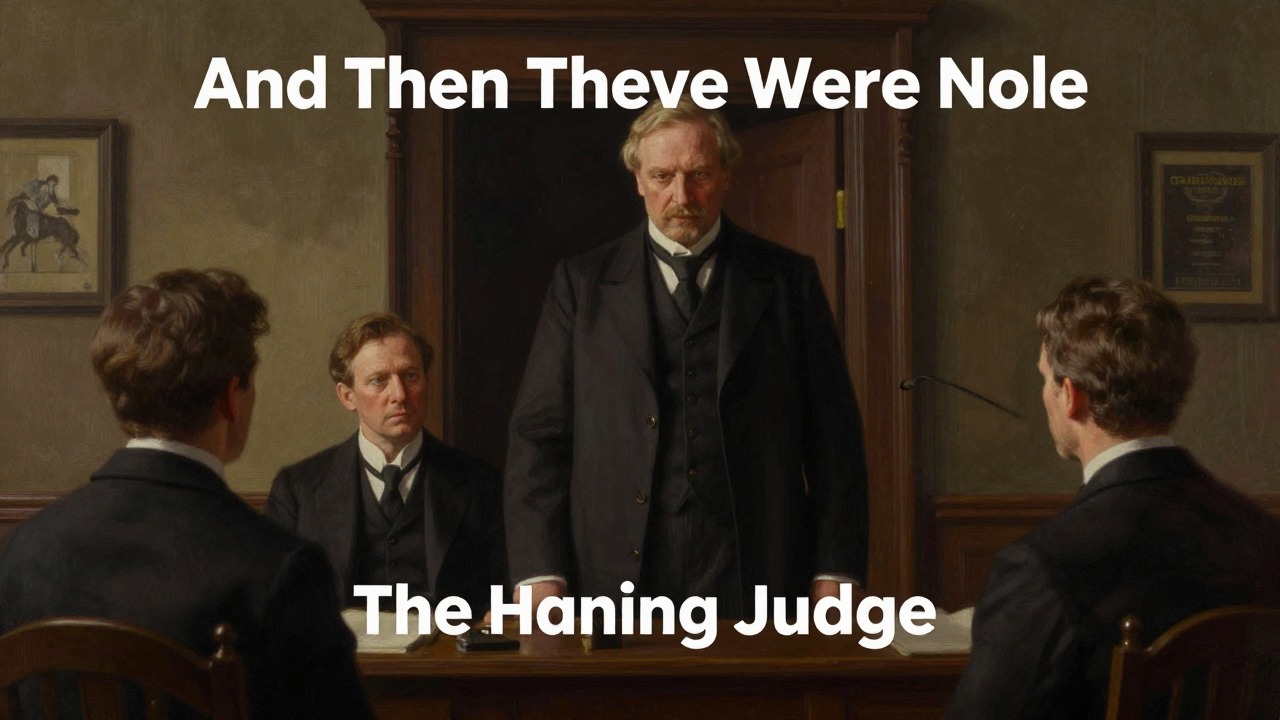
A Life of Judgment
The Reputation
Lawrence John Wargrave was known as a hanging judge, a man who took pleasure in sentencing criminals to death. He had presided over many trials, including that of Edward Seton, whom he had condemned despite strong evidence of innocence. He felt no remorse; he believed he was doing justice. But his own nature was a contradiction: he had a romantic imagination and a sadistic streak, but also a strong sense of justice. He wanted to punish the guilty, but he also wanted to kill.
The Turning Point
When he learned that he had a terminal illness, Wargrave decided to act on his fantasies. He would become the ultimate executioner, punishing those the law had missed. He began to collect his victims, using his legal skills and his network of contacts. The plan was grandiose: ten murders on a remote island, following a nursery rhyme. He would be the final victim, making it appear that he had been killed by the last survivor.
The Master Planner
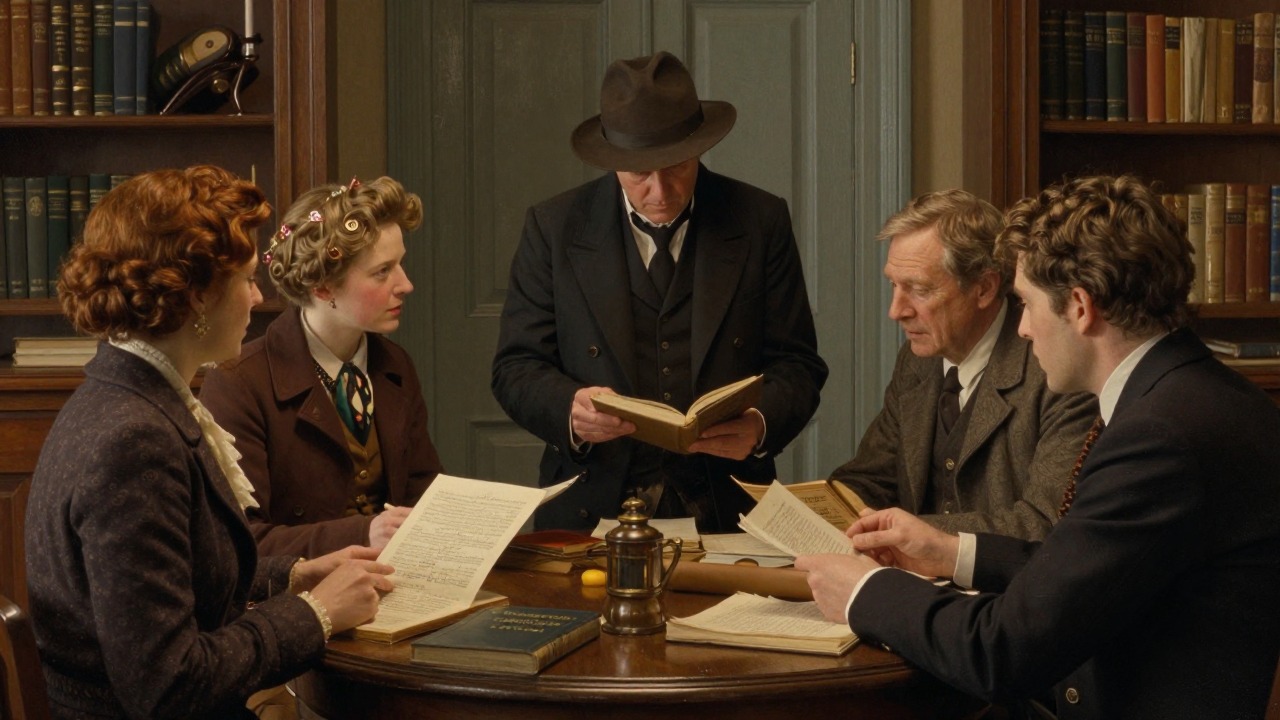
The Schemer
Gathering the Victims
Wargrave used his position and his knowledge of human nature to collect information on his ten victims. He learned of Emily Caroline Brent's cruelty to Beatrice Taylor, John Gordon Macarthur's murder of Arthur Richmond, and the others. He hired Isaac Morris to buy the island and make the arrangements. He wrote the letters, each one a perfect imitation of a friend or colleague. He even had a gramophone record made with the accusations. Every detail was planned.
The Stage is Set
Wargrave arrived on the island as a guest, playing the role of a retired judge. He observed the others, noted their reactions, and began his work. He killed Anthony James Marston, then Ethel Rogers, then the General. He deflected suspicion by seeming to be a victim himself. His plan was working perfectly.
The Fake Death
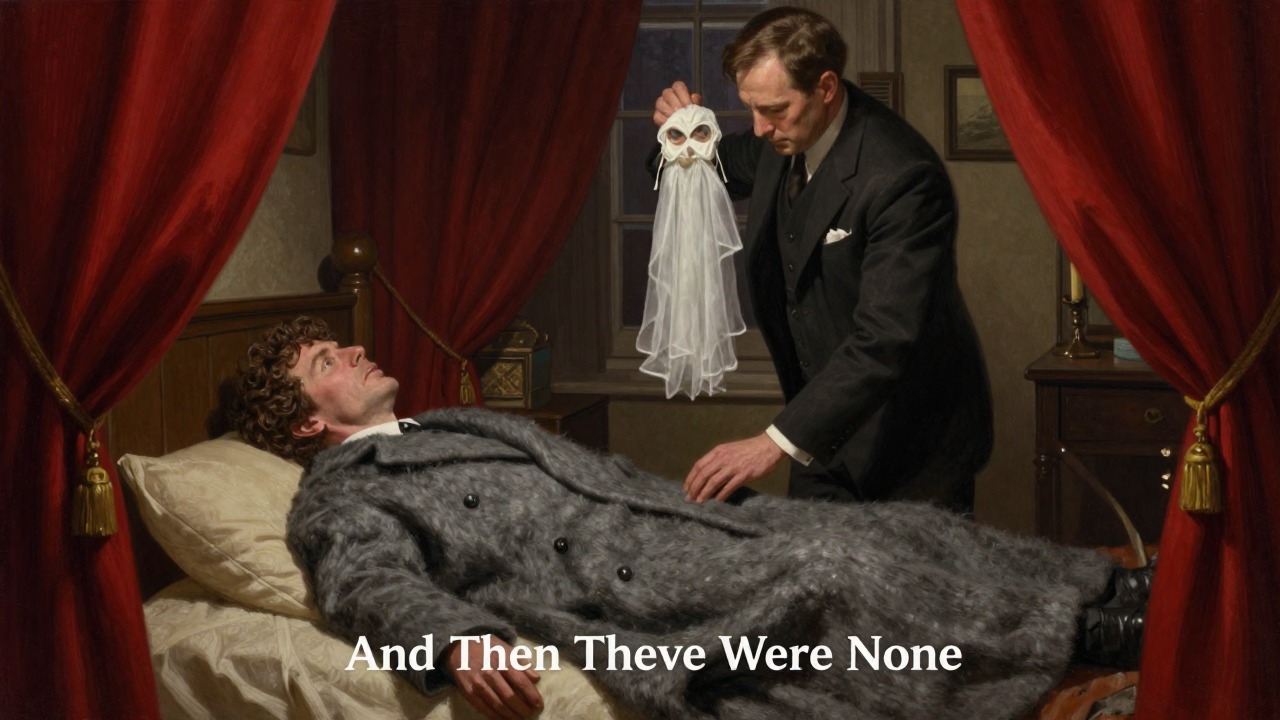
Theatrical Murder
The Robe and Wig
Wargrave staged his own death using a red curtain and grey wool. He pretended to be shot, with Dr. Armstrong as his accomplice. The other guests believed he was dead, and he was left alone in his room. From that moment, he was free to move about the house unnoticed. He could observe the remaining guests and choose his moments.
The Killer Unseen
As a dead man, Wargrave killed Thomas Rogers, Emily Caroline Brent, and Dr. Armstrong. He also set the trap that killed William Henry Blore. He watched as Vera Elizabeth Claythorne shot Philip Lombard. He then set the noose in Vera's room, knowing her guilt would drive her to suicide. He was the puppet master, pulling all the strings.
The Final Suicide
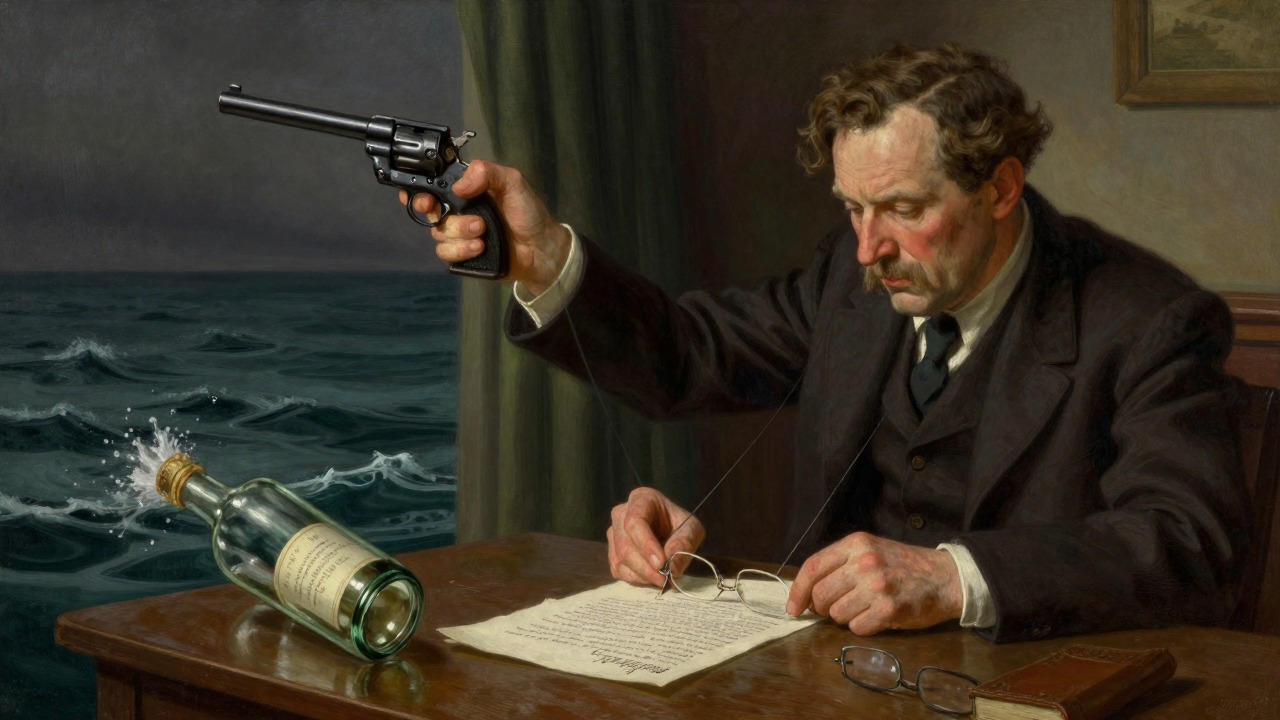
The Last Act
The Confession
After Vera's death, Wargrave wrote his confession, detailing every crime and his motive. He sealed it in a bottle and threw it into the sea. Then he went to his room, arranged his eyeglasses with elastic cord, and shot himself. The elastic pulled the revolver back to the door, making it appear that he had been shot by someone else. His body was found, and the mystery remained unsolved until the bottle was found.
The Triumph of the Artist
Wargrave's final act was a masterpiece of theatricality. He had committed ten murders, including his own, and had created a perfect puzzle. He wanted recognition, and the confession was his bid for immortality. He succeeded: the mystery of Indian Island became one of the most famous unsolved cases in fiction, until his confession revealed the truth.
his career before the novel
months before August 8th
evening of August 10th
late evening of August 11th
